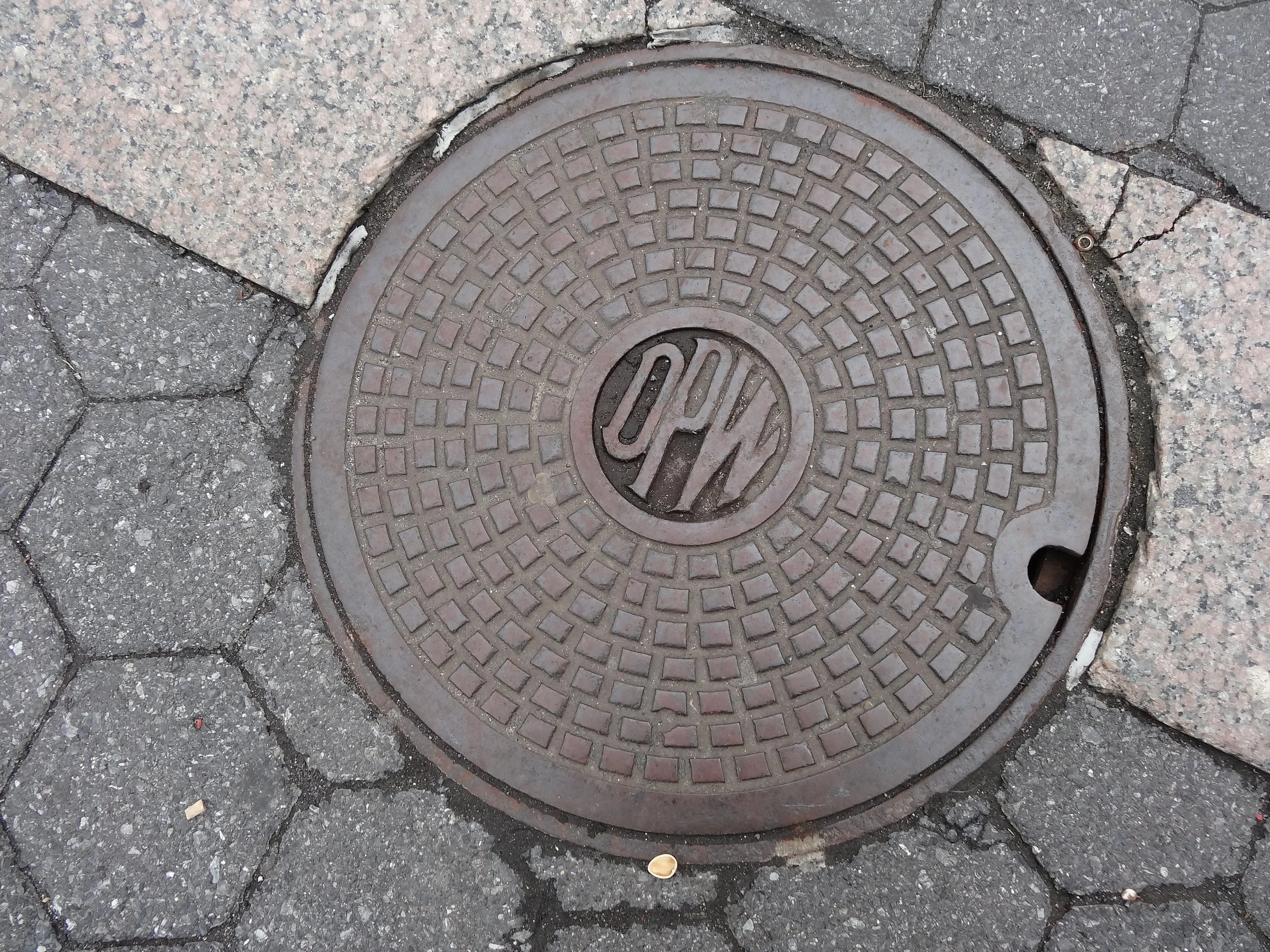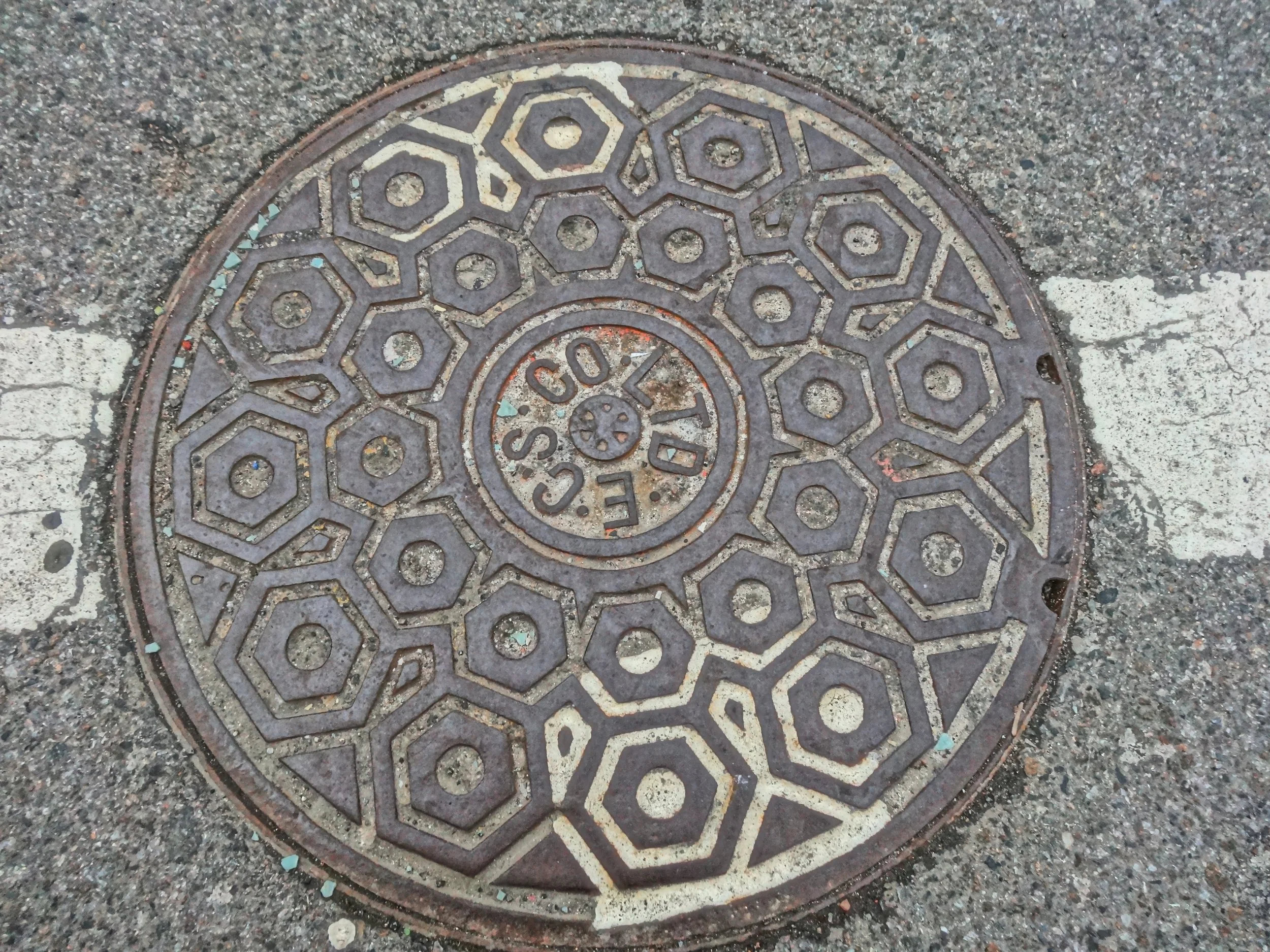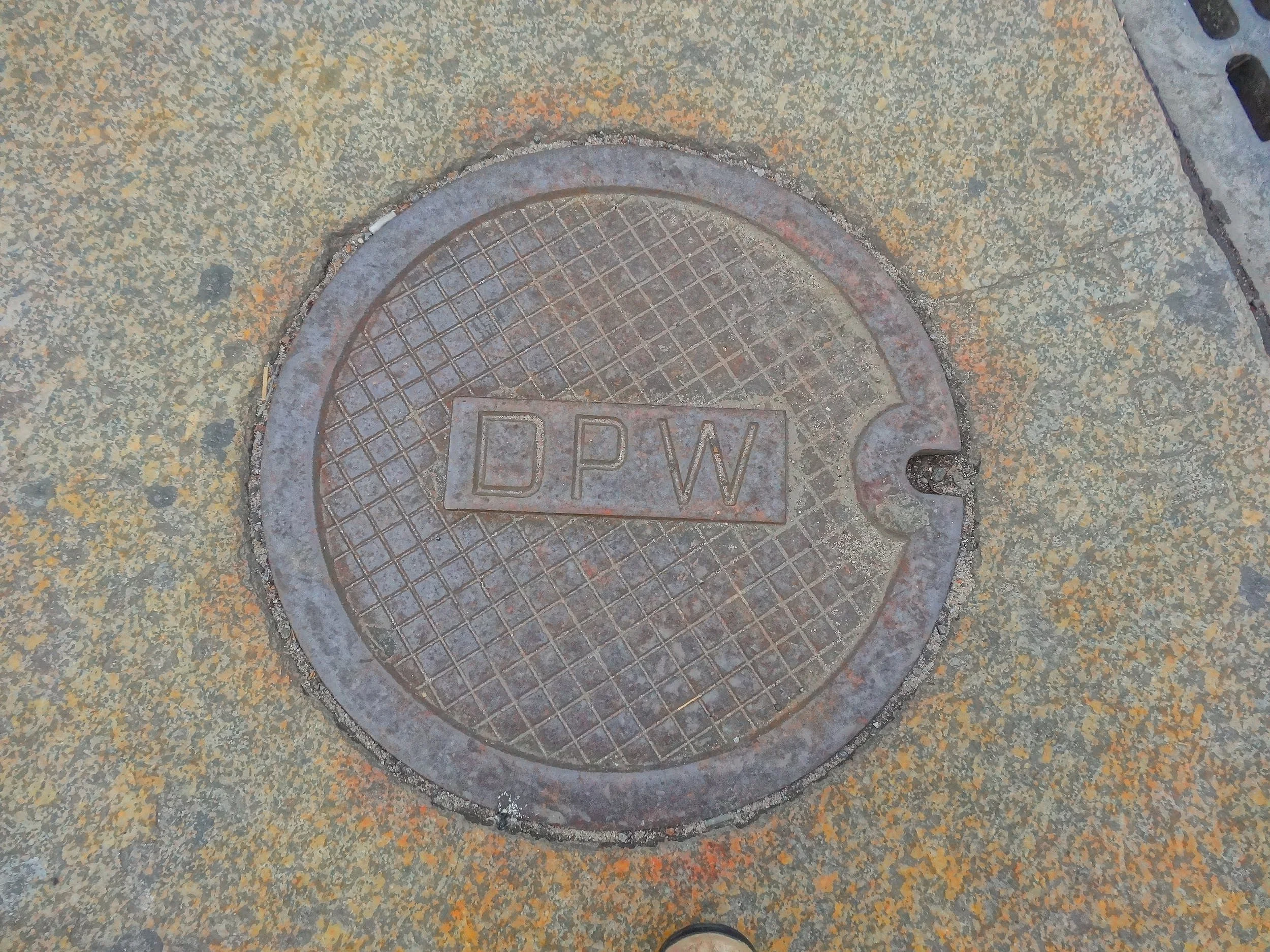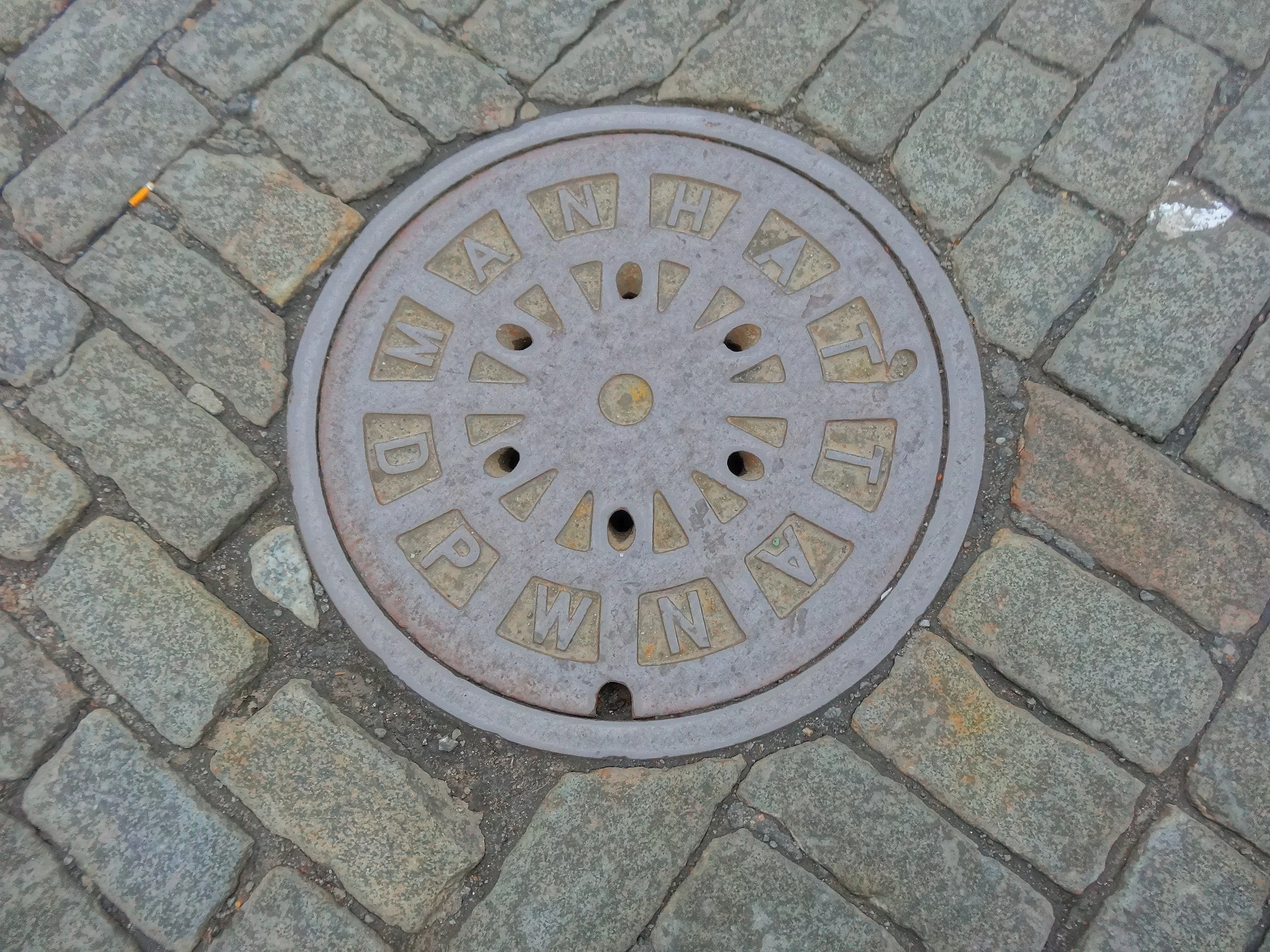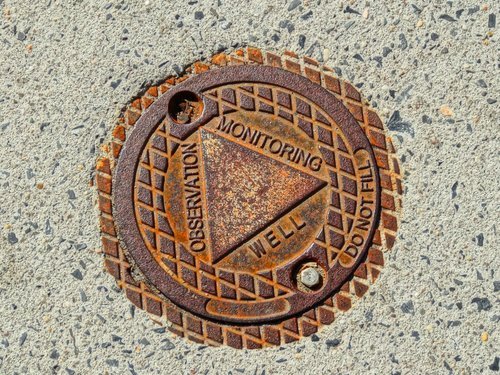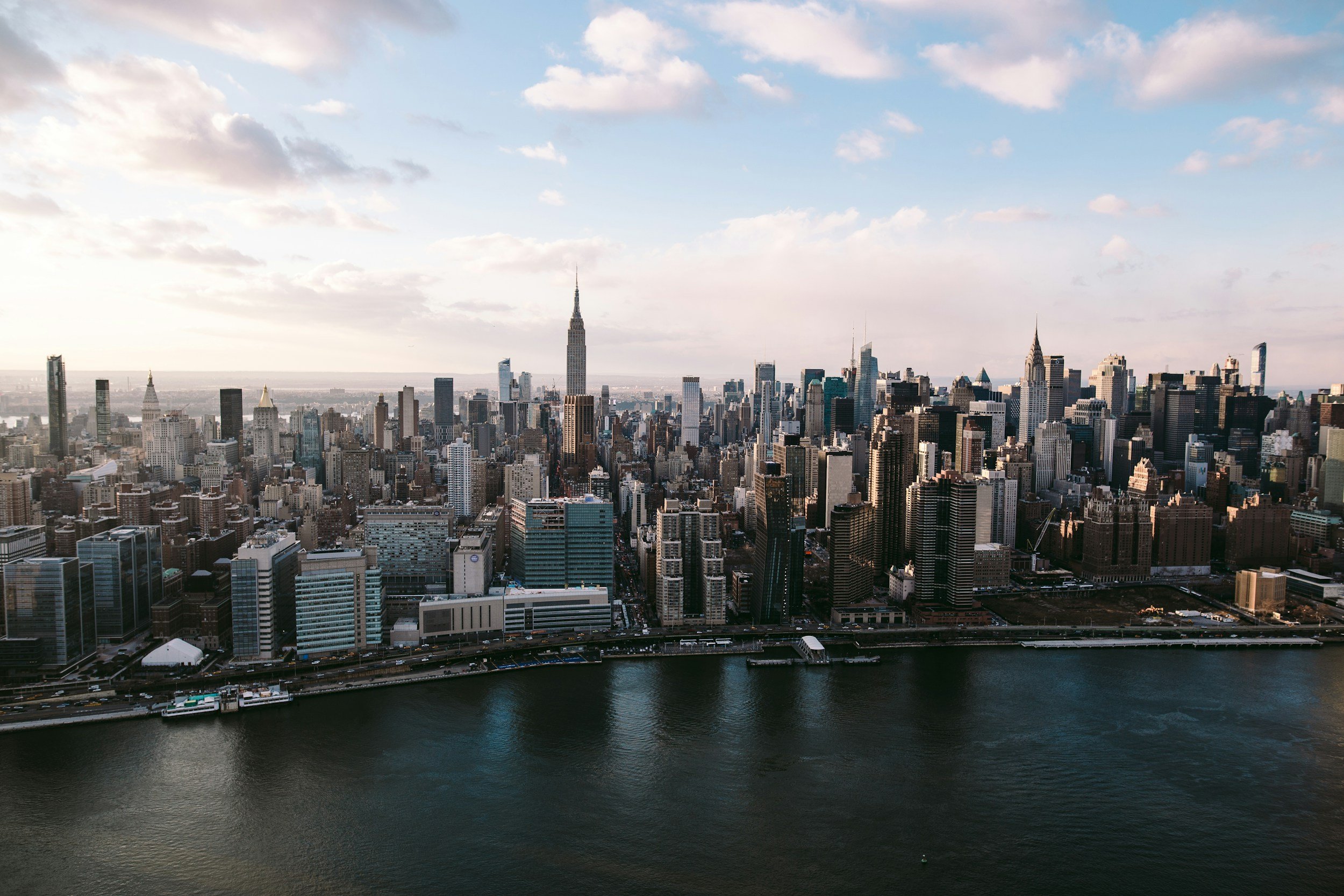
Sewer Covers of NYC - where the obsession began.
Sewer covers, opercula, looking down & industrial art (NYC)
Sewer Cover Obsession & Cloacina
An unintended — though now entirely fitting — consequence of the Cloacina journey has been a sustained habit of photographing sewer covers and other industrial opercula: cable plates, storm-water grates, access lids of every kind.
They are thresholds.
Each one marks an entry point into the hidden systems that allow a city to function — the engineered underworld of flow, power, storage, removal, transmission. To photograph them is to trace the outline of what cannot be seen.
Over time this became less a collection and more a way of reading place.
If you walk a city looking down, you learn different histories.
You notice the names of foundries.
Municipal departments that no longer exist.
Shifts in materials, in language, in politics, in trade.
You begin to follow infrastructure rather than architecture.
And in doing so, the external journey mirrors the internal one: the slow, sometimes obsessive work of uncovering what sits beneath the visible surface of a life.
New York: a city made for looking down
New York is an opercula atlas.
In the Meatpacking District, heavy access covers once opened to underground cold-storage vaults, where meat was transferred directly from the rail lines above into the chilled spaces below. Elsewhere: storm-water plates, cable chambers, utility vaults — a dense cast-iron map of the systems that feed the vertical city.
Even the standard NYC sewer cover carries its own story.
Early castings announce their origin — Made in USA — later versions reveal globalised production, some linked to the deeply troubling labour conditions of outsourced manufacturing. Civic infrastructure becomes an index of economic history.
There is also, famously, the beloved casting error — a small, human flaw repeated in iron across the streets — which turns a purely functional object into a kind of urban folklore.
If you follow the foundry names across Manhattan, and track the pattern of cable access and drainage lines, you are tracing the transformation of the original Wickquasgeck trail into a gridded island of watersheds, utilities and towers: the imagined city above and the working city below, designed together.
Lawrence Weiner: bringing the grid to the surface
Lower Manhattan holds nineteen sewer covers designed by the conceptual artist Lawrence Weiner, produced with the Public Art Fund, Roman Stone and Con Edison.
Cast into them is the text:
IN DIRECT LINE WITH ANOTHER & THE NEXT
The phrase operates simultaneously at multiple levels — the street grid at your feet, the skyline above, the sewer and utility networks beneath. A complete vertical section of the city, held in a single industrial object.
In a place where the standard NYC sewer cover has already achieved pop-culture status, Weiner’s intervention reframes these objects as deliberate public art. He makes visible the aesthetic and conceptual power of industrial design — something sewer-cover photographers and infrastructure observers have always known.
Utility and imagination meet in cast iron.
What began as a by-product of the Cloacina work has become one of its most tangible practices.
To photograph opercula is to practice attention to what supports, carries, connects and cleans — without recognition.
To look down is to understand how a city, and a life, actually works.